
Here's what nobody tells you about pleasure after recovery
Illness and surgery interrupt your body's dialogue with pleasure. That's not metaphorical. When you've spent weeks or months managing pain, inflammation, or just survival mode, your nervous system has been rewired to protect, not to feel good. Reintroducing pleasure isn't vanity. It's part of healing.
The tricky part is that you can't just snap back into what worked before. Your body's responsiveness has changed. Your confidence has changed. Your relationship with sensation itself has shifted. This is where lemon vibrators come in.
Why recovery changes your sensation baseline
When you're in pain or managing a serious health event, your brain prioritizes threat detection over pleasure. The vagus nerve, which regulates your relaxation response, gets stuck in overdrive. Your pelvic floor tightens. Blood flow reroutes away from the genitals toward core survival functions. Inflammation from surgery or illness makes tissue more sensitive in an uncomfortable way, not an aroused way.
Even after you're medically cleared to resume sex, your body doesn't automatically flip back. This takes time. And crucially, it takes the right kind of stimulation.
Here's what's different about lemon clitoral vibrators compared to manual stimulation during recovery: they provide consistent, targeted suction that doesn't require you to coordinate muscle tension. Your pelvic floor doesn't have to participate. You can lie still. That matters more than you think when you're rebuilding trust in your body.
The nervous system reset that happens with the Lem
The Lem works through air-suction technology. Instead of vibration alone, it creates a gentle vacuum around the clitoris that stimulates the surrounding nerves without aggressive friction. For people returning to pleasure after surgery or illness, this is genuinely different from traditional vibrators.
Why? Because traditional vibrators require your body to "do" something. Your pelvic floor needs to engage. You need to track rhythm. You need to tense and release in a coordinated pattern. When you're recovering and your nervous system is still in defensive mode, that coordination feels impossible or painful.
Air-suction vibrators like the Lem let you be passive. You can literally just receive. Your nervous system gradually learns that sensation can be safe again. That's the real reset.
Building back sensation in three stages
I work with clients on a slow progression. You don't jump straight into what felt good pre-surgery or pre-illness.
Stage One: Sensation without expectation (weeks 1-2). Use the Lem on the lowest setting for 5-10 minutes, fully clothed or over underwear. The goal isn't arousal or orgasm. It's to remind your nervous system that gentle touch on the clitoris doesn't have to hurt. Many people report that their nervous system doesn't believe this at first. You might feel almost nothing, or you might feel anxious. Both are normal. Just keep it short and low-pressure.
Stage Two: Graduated intensity (weeks 2-4). Once you can sit with low-setting stimulation without panic, try settings 2-3 with underwear still on. Notice where the pleasure begins. Most people recovering from surgery feel it shifts slightly with each week. Your clitoral tissue is regaining blood flow and sensation. This is worth noting, not rushing.
Stage Three: Direct contact when you're ready (week 4 onward). Only when stages one and two feel genuinely good do you move to direct contact on bare skin. And you can still start on the lowest setting. There's no timeline. Your body will signal readiness.
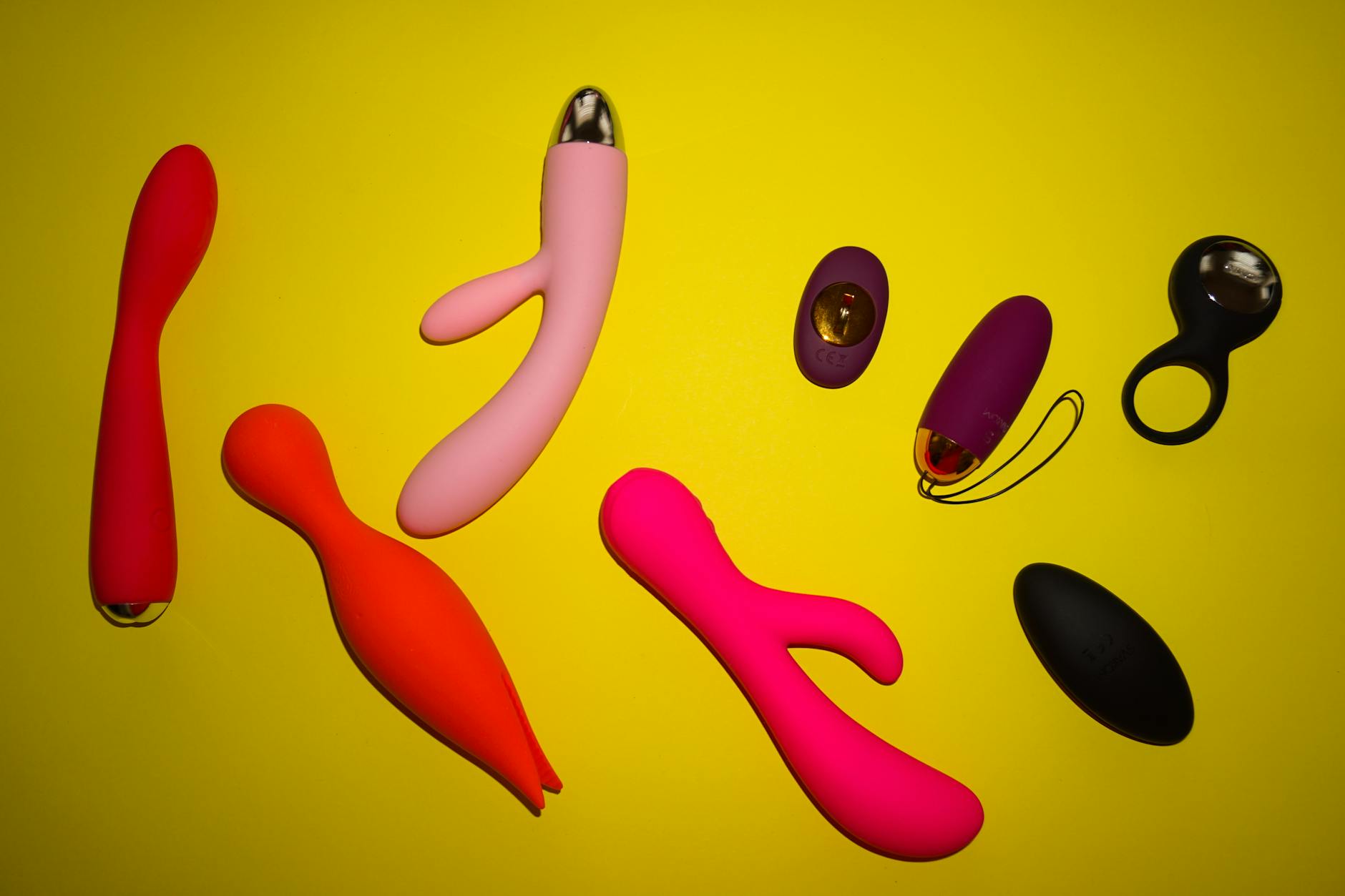
Photo by FounderTips on Pexels
The role of lube and tissue care
If your illness or surgery involved hormonal changes, inflammation, or medication side effects, your genital tissue might be thinner or drier than before. This isn't permanent, but it is real during recovery.
Always use water-based lubricant, even with a suction vibrator. It creates a better seal, makes the sensation more comfortable, and signals to your body that you're in a pleasure context, not a medical one. That psychological shift matters.
Some people find that gentle vulvar massage with a light touch (no toys) for a week or two before introducing the Lem helps rebuild confidence. You're literally reacquainting yourself with your own body. This sounds basic, but after major health events, many people have lost touch with their genitals as anything other than a source of pain or anxiety.
When to involve a partner (and how)
If you're in a relationship, your partner's role during recovery is observer, not participant, until you're ready. That doesn't mean absent. It means present but patient.
I recommend solo exploration first. Three to four weeks of solo use of your lemon clitoral vibrator gives you a chance to rebuild your own pleasure map without the pressure of performing or meeting someone else's expectations. Your body needs to learn that it's safe to feel good without an audience.
When you're ready to bring a partner in, start with them watching while you use the Lem. This sounds vulnerable, and it is. But it's also powerful. Your partner sees that pleasure is possible again. You're not demonstrating anything. You're just being. Then, eventually, you can hand them the control (literally, with a remote vibrator if that appeals to you, or just letting them decide when to use it on you).
The shift from solo to partnered shouldn't be rushed. Your nervous system needs to differentiate between self-pleasure (which feels safe) and partnered touch (which might still carry some anxiety). That's okay. That's healing.
Common obstacles and how to work through them
Sensation feels muted or absent. This is the most common concern. Your clitoral nerves are still waking up. Stick with stage one longer. Sometimes it takes four to six weeks for meaningful sensation to return. This is not a sign the Lem isn't working. It's a sign your nervous system is being cautious. That's protective, not broken.
Pleasure feels tangled with anxiety. Many people experience intrusive thoughts during recovery: "Is this too much?" "Will I damage something?" "Is this normal?" These thoughts are your nervous system doing its job, but they're also blocking pleasure. Before using the Lem, spend two minutes breathing deeply. Tell your body it's safe. This sounds simple because it is. But it's also very effective.
Your partner is impatient. Have a direct conversation about timeline. Most people need six to twelve weeks for genuine pleasure to return after surgery or serious illness. Frame it as rebuilding, not fixing. Your partner isn't waiting for you to "bounce back." You're both learning what your body is now.
Guilt about prioritizing pleasure during recovery. Stop. Pleasure is a sign your parasympathetic nervous system is engaging. That means your body is shifting out of survival mode into healing mode. Pleasure and healing are linked, not opposed.
Why lemon clitoral vibrators specifically help
Lemon vibrators, and particularly the Lem's air-suction design, work well for recovery because they meet your post-recovery body where it is. You don't have to coordinate. You don't have to tense or engage. You can just feel, gradually, as sensation returns.
Compare this to a traditional vibrator, which requires your pelvic floor to stay somewhat engaged to feel the vibration pattern properly. Or compare it to manual stimulation from a partner, which adds the psychological component of performance. The Lem strips away expectation. It's just sensation, slowly, safely.
Questions you're probably asking
How long does it actually take before pleasure feels normal again?
Most people report a significant shift between weeks six and twelve. But "normal" is the wrong frame. Your body post-recovery isn't the same as your body pre-illness or pre-surgery. It's different. Often deeper. Many of my clients report that their most intense orgasms come during this rebuilding phase, once they're through the anxiety part. Your nervous system is learning pleasure from scratch, and that can actually deepen the experience.
Can I use a lemon vibrator while still taking pain medication?
Yes, but be aware that some pain medications numb sensation. If you're in the early recovery phase and still on strong pain meds, sensation might feel even more muted. Talk to your doctor about gradually reducing pain medication as you heal, not about forcing pleasure while you're still in acute recovery mode. They're not in conflict. You just don't need both at maximum intensity simultaneously.
Is it normal for the Lem to feel painful at first?
Some discomfort is normal if your genital tissue is still inflamed from surgery or illness. But sharp pain is not. If you feel genuine pain, back off entirely and talk to your doctor. You might need more time, or there might be a specific tissue concern that needs medical attention before pleasure practice resumes.
Should I tell my doctor I'm reintroducing sexual pleasure during recovery?
You don't need permission, but your doctor should know you're considering it. They can tell you if there's a specific reason to wait, or if there's a particular concern unique to your recovery. Most doctors are pleased when patients think about pleasure as part of whole-body healing. It's not a weird conversation.
Can I use lemon clitoral vibrators if I have nerve damage from surgery?
This depends on the type and location of nerve damage. Suction vibrators are often gentler on fragile or regenerating nerves than traditional vibrators because they don't require the same intensity of sensation to feel effective. Start very low and very slow. If sensation is genuinely absent rather than just muted, you might benefit from working with a pelvic floor physical therapist to see what kind of stimulation your specific nerves respond to.
What if I have no desire to resume sexual pleasure right now?
Then don't. There's no timeline. Desire returns on its own schedule, and some people need months of physical healing before emotional desire kicks in. The Lem isn't a demand. It's an option, available when you're ready. Many people find that desire returns when they stop pressuring themselves to feel it.
The bigger picture
Illness and surgery are interruptions. They break your rhythm. Pleasure is often the last thing you think about during acute recovery, and that's fine. But at some point, usually weeks into healing, you might miss it. You might wonder if it comes back. It does. Your body is more resilient than you think.
Lemon clitoral vibrators like the Lem are tools for that return. Not because they're magic, but because they align with how your nervous system actually heals. They ask nothing of you. They just offer sensation, gradually, until your body remembers what pleasure feels like. And then you take it from there. If you have questions about your specific recovery, reach out to our team at Hello Nancy. We're here to help.
Resources and further reading
If you're navigating recovery and want more support, check out our guides on how lemon vibrators work when you're emotionally reconnecting with a partner and how to use lemon vibrators when returning to sex after an extended break. Both cover similar nervous system resets and timing concerns. You might also find it helpful to explore how lemon vibrators help restore sensation for reduced clitoral sensitivity, which digs deeper into the neurology of sensation recovery.